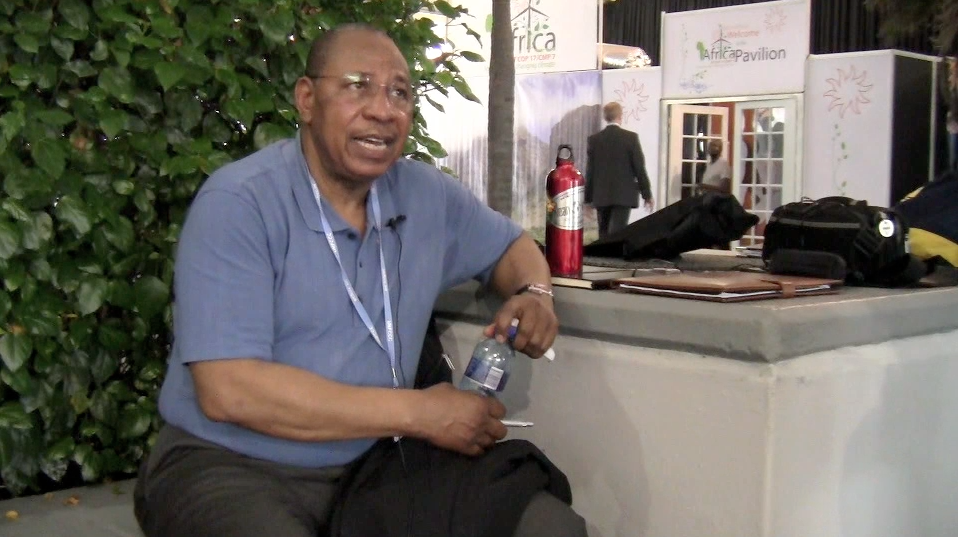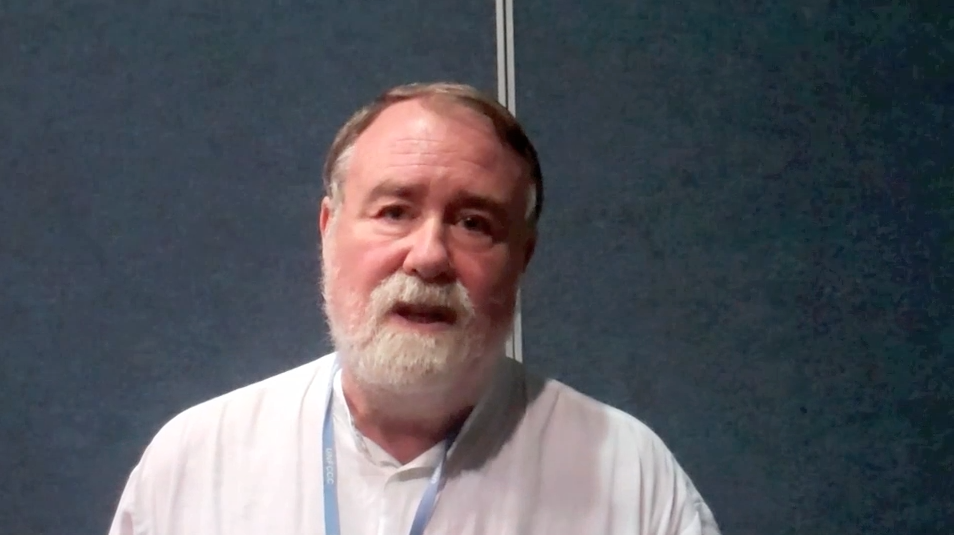
Interviewed by Elena Capaldi on December 7, 2011, COP 17, Durban, South Africa
Tag: development
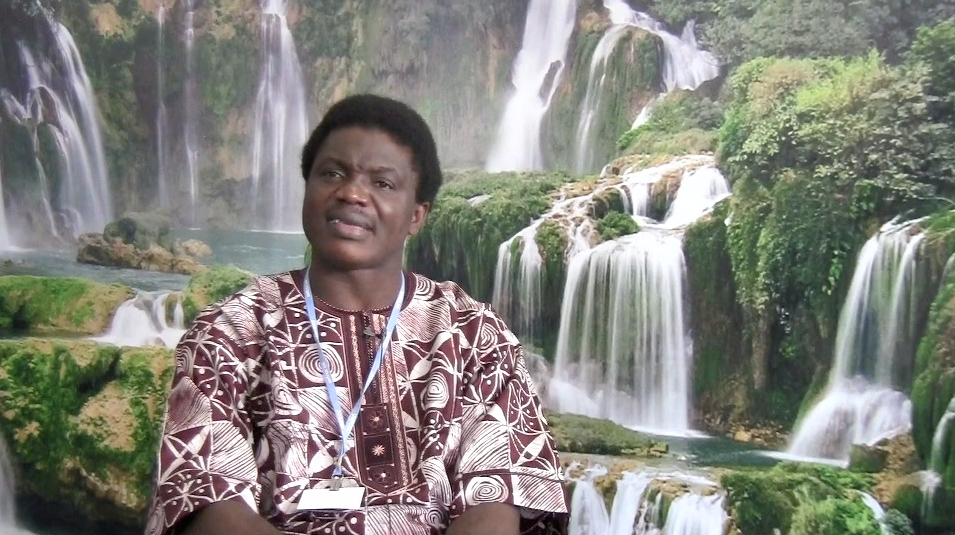
Mayor Ayodele Adebowale Adewale of Lagos, Nigeria discusses Nigeria’s position within the negotiations and a multitude of sustainable initiatives occurring in Lagos, and calls for developed countries to help developing countries adapt and mitigate for the good of the entire planet.
Interviewed by Elena Capaldi and Anna McGinn on December 5, 2011, COP 17, Durban, South Africa
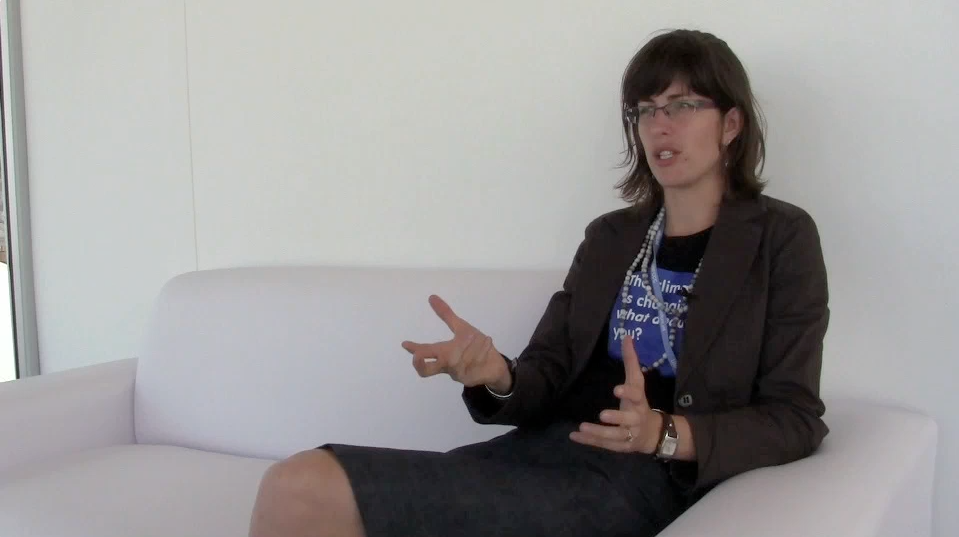
Ms. Anna Taylor of the African Center for Cities and the Stockholm Environment Institute discusses how funding for South Africa’s sustainable development needs to come from both internal and external sources. She voices the need to be wary of international money tied to international agendas.
Interviewed by Emily Bowie, Elena Capaldi and Maggie Rees on December 5, 2011, COP 17, Durban, South Africa
Ms. Anna Taylor of the African Center for Cities and the Stockholm Environment Institute discusses how the outcomes of the COP will most likely create a downstream effect over development in South Africa that may not be immediately noticeable or easily tracked.
Interviewed by Emily Bowie, Elena Capaldi and Maggie Rees on December 5, 2011, COP 17, Durban, South Africa
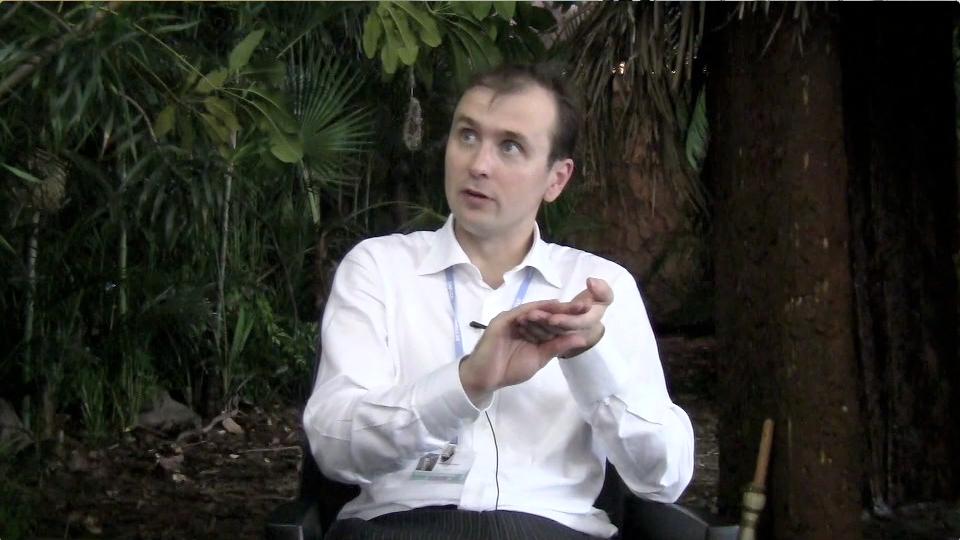
Mr. John Ward, Director of Vivideconomics, discusses the difference between the Adaptation Fund, the Green Climate Fund (GCF) and the Global Environment Facility (GEF), including purposes and sources. He explains the necessity for the GCF separate from the GEF and voices a prediction for the outcome of the conference concerning the GCF.
Interviewed by Emily Bowie on December 1, 2011, COP 17, Durban, South Africa
Mr. John Ward, Director of Vivideconomics, discusses the different sources of funding reserved for adaptation and development initiatives. Development funding is meant to come from the Overseas Development Agency (ODA) while funding for adaptation comes from several sources, some bilateral, some multilateral. He explains the difference between spontaneous and programmed adaptation funding and then explains the “moral” argument around the responsibility of developed countries to pay for adaptation.
Interviewed by Emily Bowie on December 1, 2011, COP 17, Durban, South Africa
Dr. Saleemul Huq, Senior Fellow at the International Institute for Environment and Development Climate Change Group, discusses how climate change will severely affect the development of poor countries in the near future. He says in the long term, however, China and the United States will begin to compete for integrating sustainability into what he says will be the new economy. Huq believes it will be competition, not negotiations, that will eventually drive the transition into a green economy. However, he describes the necessity for the issue to still be solved as a global challenge because it is in essence a global problem. Finally, he emphasizes the ever-pressing need for on the ground action.
Interviewed by Esther Babson, Anna McGinn, Maggie Rees and Claire Tighe on November 30, 2011, COP 17, Durban, South Africa
Dr. Saleemul Huq, Senior Fellow at the International Institute for Environment and Development Climate Change Group, names the most critical issues at the 17th Conference of the Parties to be a second period for the Kyoto Protocol and the construction of the Green Climate Fund. He names setting up the adaptation tract and working on the texts for the NAPs, REDD+ and technology transfer as the smaller and more likely to be solved issues. He then explains how likely he believes it is for conclusions to be met on these issues.
Interviewed by Esther Babson, Anna McGinn, Maggie Rees and Claire Tighe on November 30, 2011, COP 17, Durban, South Africa
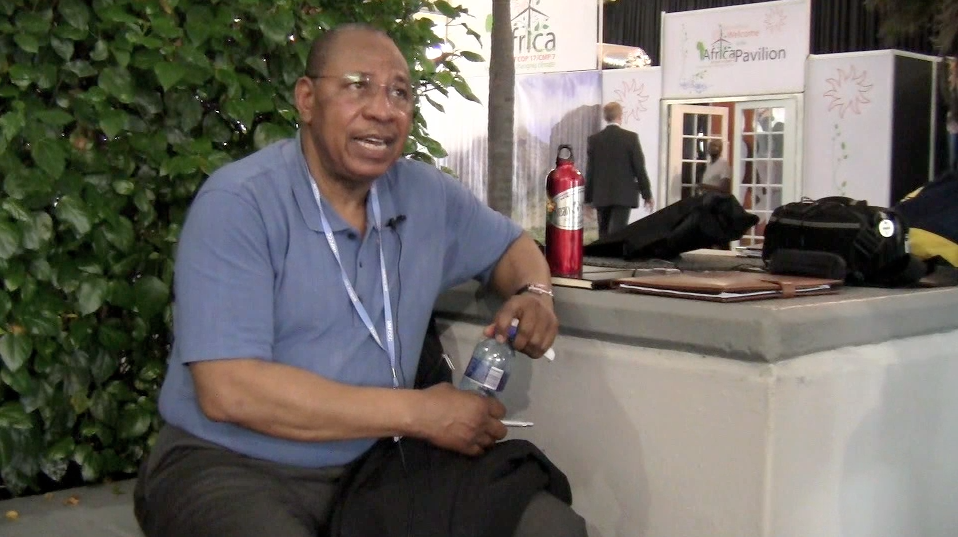
Dr. Youba Sokona of Ethiopia, the coordinator of the African Climate Policy Centre (ACPC) based in the UN Economic Commission for Africa, discusses the need for a new global paradigm. He also explains the opportunity Africa faces to embark of “jump-start” sustainable development due to the primary stages of development the continent is currently in. He names the four biggest barriers to this solution: political will, institutions, finance and short-term focus. He then provides examples for how each of these barriers can be broken.
Interviewed by Elena Capaldi, Maggie Rees and Emily Bowie on November 30, 2011, COP 17, Durban, South Africa
Dr. Youba Sokona of Ethiopia, the coordinator of the African Climate Policy Centre (ACPC) based in the UN Economic Commission for Africa, discusses how the primary concern of all African countries is development and how through climate research over the past few decades his organization has seen the need for countries to revisit their development objectives. He calls for these countries to follow a different development path.
Interviewed by Elena Capaldi, Maggie Rees and Emily Bowie on November 30, 2011, COP 17, Durban, South Africa